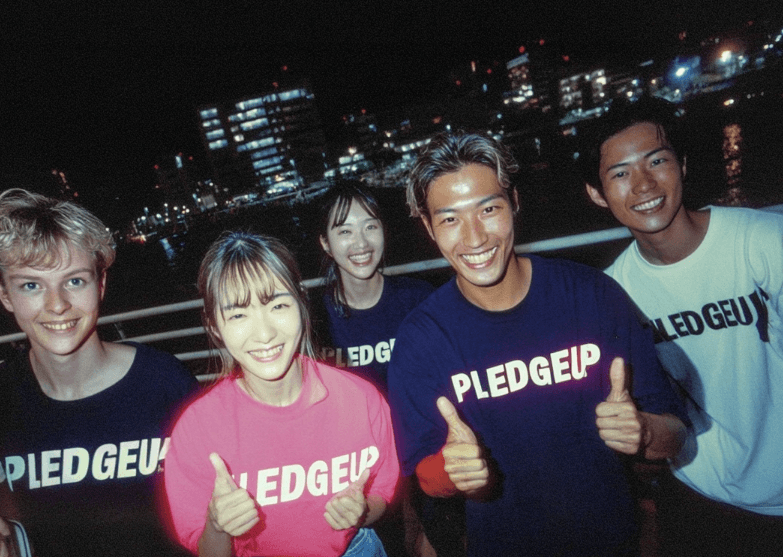

Designed with purpose, building for those who want to make a change and thinking beyond ourselves for tomorrow
Ten weeks to 10K”: a friends-only running challenge
Scroll to read
We’re testing PledgeUP with crews friends, teams, trainers and working with behavioural experts. Scroll to read the stories, experiments and lessons behind the challenges that actually stick.
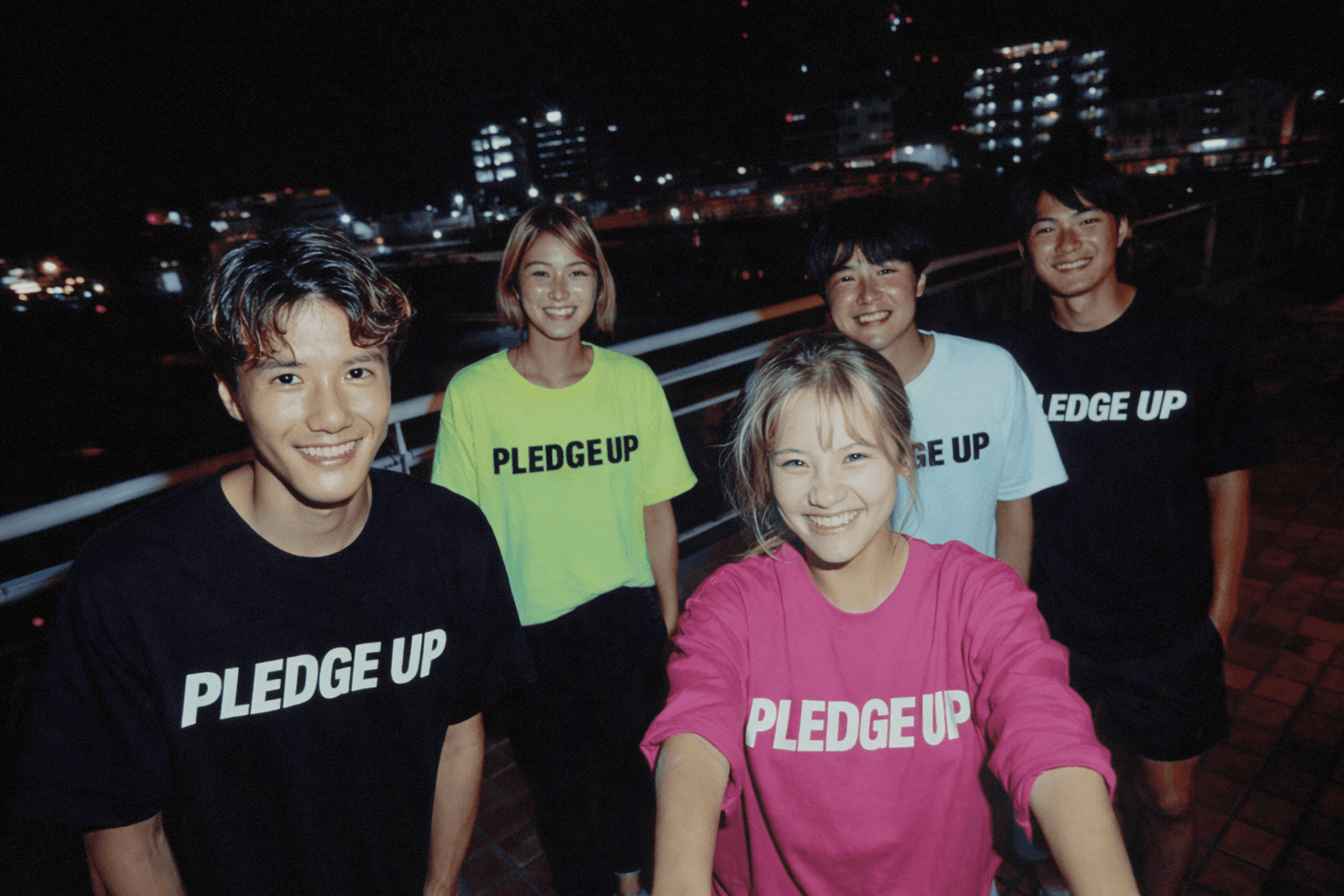
If you’ve ever said “We should do a 10K together” and then watched the idea quietly die in the group chat, this one’s for you.
“Ten weeks to 10K” started as exactly that: five friends, all at different fitness levels, all busy, all good at talking about running… less good at actually running. Instead of buying more gear or finding a new training plan to ignore, they tried something different:
They turned the plan into a friends-only PledgeUp challenge.
This is the story of how they set it up, what worked, what didn’t, and why the magic wasn’t in perfect training — it was in showing up together.
The challenge: simple, clear, and very specific
They didn’t aim to become “runners.” They aimed to do one thing really clearly:
Goal: Run a 10K event in 10 weeks’ time
Inside PledgeUp, they set up the challenge with three simple rules:
Duration: 10 weeks
Check-ins: 3× per week minimum
Proof: One of:
Screenshot of a run (any distance),
Photo at the park/gym,
Short written check-in (“Went for a 25-minute jog today”).
No one was forced to follow the same training plan or pace. The only non-negotiable was:
You don’t skip check-ins.
Even a slow, messy run counted. Walking part of it counted. The point was: did you show up this week or not?
The stakes: small, real, and slightly uncomfortable
To keep things interesting, they added two layers of stakes:
Positive reward:
If everyone completed at least 80% of their check-ins and finished the 10K, they’d book a weekend brunch together (their reward pot).Accountability pledge (optional but spicy):
Anyone who dropped below 60% check-ins by the end agreed to:Pay for that brunch, or
Make a donation to a cause the group chose beforehand.
The stakes weren’t huge — nobody was betting their rent. But they were:
Meaningful enough that skipping felt like a choice
Light enough that it still felt fun, not punishing
How they used PledgeUp day-to-day
Here’s what a typical week looked like inside the challenge.
1. Picking their days
Each person roughly chose “their” run days (e.g. Mon/Wed/Sat), then:
PledgeUp reminded them with push notifications
They knew everyone else would see if they checked in or not
This quiet social pressure is subtle, but powerful:
you don’t want to be the only blank row on the check-in feed.
2. Check-ins: low friction, high honesty
They kept check-ins friction-free:
A quick photo in running shoes just before leaving
A screenshot of their running app
Or a one-line note after the run
No essays, no perfect photos. Just enough evidence to say: “Yep, I did it.”
PledgeUp’s feed turned into a simple log of effort:
“6:15am jog done 🥵”
“Night run after work – almost skipped, glad I didn’t.”
“Slow but steady 5K, we move.”
Over time, the feed mattered more than the pace.
3. Mini boosts from the group
The best part wasn’t the data — it was the reactions:
A friend hitting “👏” on a tough run
A quick “You’re smashing it” on a bad-weather day
Jokes about who was going to pay for brunch
These tiny touches created just enough social friction against quitting.
The messy middle: when motivation dipped
Week 4–6 is where most challenges die.
In this challenge, two things kept it alive:
They made it okay to adapt, not quit.
If someone was injured or exhausted:They switched a run for a brisk walk,
Or swapped days but kept the 3 check-ins rule.
The rule was about consistency, not perfection.
They used the pledge as a nudge, not a threat.
When one friend fell behind, the group didn’t shame them. They just said:“Totally fine if life’s hectic — but if you can’t catch up, lock in your donation so brunch is still a win.”
The pledge stayed in the background, gently reminding everyone:
“You promised yourself something here.”
Race day: what success actually looked like
By week 10, not everyone was suddenly “fast” — but everyone was ready:
Some ran the whole 10K.
Some ran-walked.
One person thought they’d be last and ended up pacing a friend instead.
On paper, success was:
5/5 finished the event.
4/5 hit 80% or more of their weekly check-ins.
1 person fell below the threshold and honoured their pledge.
In reality, success was simpler:
Nobody dropped out mid-challenge.
They turned “we should run sometime” into a weekly habit.
After the event, they immediately started talking about the next challenge.
What this challenge taught them (and us)
A few simple lessons stood out:
The rule is more important than the distance.
“Three check-ins a week for 10 weeks” beat “follow this perfect 10K plan”.Friends are better than willpower.
Seeing other people check in made it harder to skip than to go.Stakes work best when they’re meaningful, not brutal.
A modest brunch or donation was enough to keep everyone honest without making anyone dread the challenge.Progress > performance.
No one showed their pace on the PledgeUp feed by default — only that they showed up. That took the pressure off and made consistency the hero.
Want to run your own “Ten weeks to 10K”?
You don’t need to be “a runner” to start one of these.
All you really need is:
A small group chat of people who want to move
A clear, shared goal and time frame
Simple rules for check-ins
Stakes that make everyone smile and think twice about quitting
PledgeUp is being built for exactly this kind of challenge:
private groups, clear rules, flexible proof, and stakes that fit your crew.
If you’d like to try something like “Ten weeks to 10K” with your friends, you can:
Start thinking about your group, your rules, and your stakes now
Join the waitlist on our homepage so you’re first to know when PledgeUp opens up to more challengers
Because sometimes the difference between “I should start running” and “I ran 10K today” is just a promise you make with the right people watching.